



Sundays should feel different. Not in a dreading-Monday kind of way, but in a genuine pause-and-breathe kind of way. Yet for most of us, Sundays slip by in a blur of laundry, meal prep, and that nagging feeling we should be doing something more productive. But here's a radical thought: what if the most productive thing you could do this Sunday is absolutely nothing at all?
Creating an at-home spa day isn't about indulgence for indulgence's sake. It's about intentional rest, genuine self-care, and setting yourself up for a better week ahead. As a skincare therapist with over fifteen years of experience, I've seen firsthand how regular self-care rituals transform not just skin, but overall wellbeing. And the best part? You don't need an expensive spa membership or a day off work. You just need a Sunday and the commitment to prioritise yourself.
Why Self-Care Sundays Actually Matter
The science behind self-care is compelling. Regular relaxation practices lower cortisol levels, improve sleep quality, and even boost immune function. A 2024 study published in the Journal of Behavioural Medicine found that people who engaged in weekly self-care rituals reported 23% lower stress levels and significantly better sleep patterns than those who didn't.
But beyond the research, there's something deeply human about setting aside time for yourself. In our always-on culture, deliberately disconnecting isn't lazy - it's essential. Your body and mind need recovery time, just like athletes need rest days between training sessions.

Setting the Scene: Create Your Spa Sanctuary
Before you touch a single product, you need to create the right environment. Professional spas understand that ambiance is half the experience, and you can replicate this at home with minimal effort.
Start with your bathroom. Clear the clutter - put away the kids' bath toys, move the cleaning products out of sight, and actually wipe down the surfaces. You can't relax in chaos.
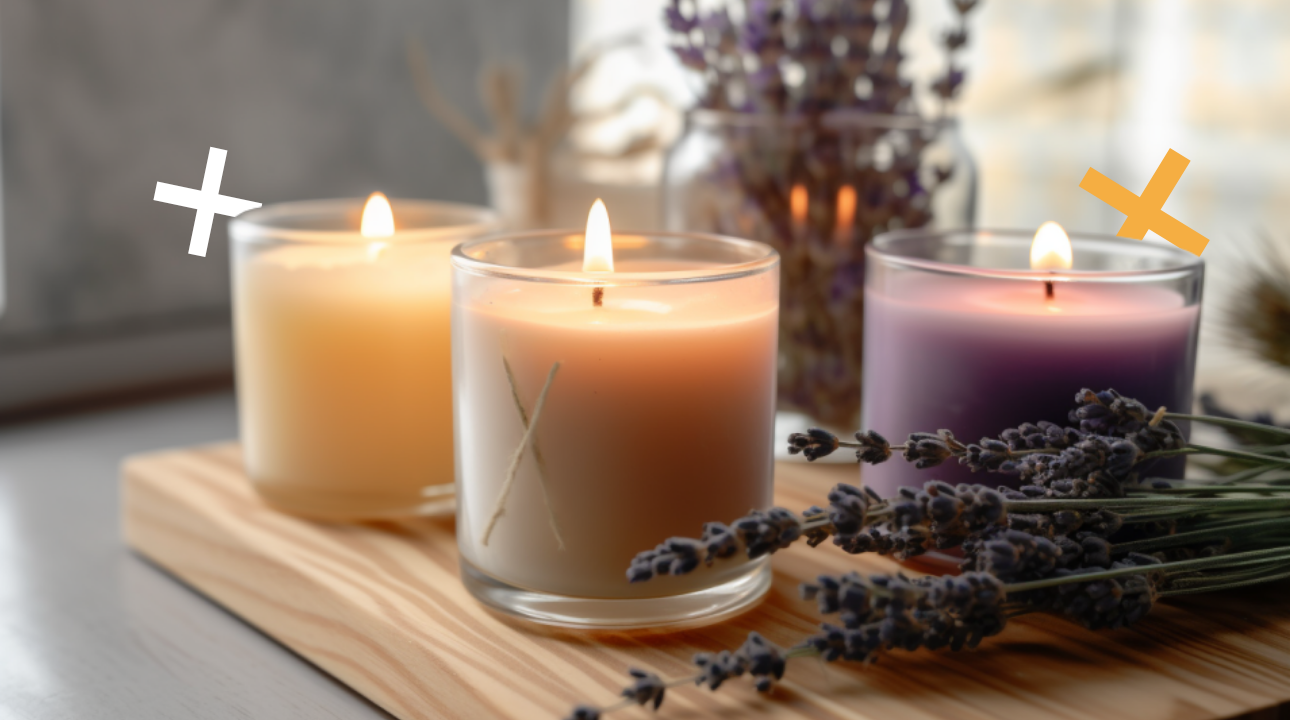
Lighting matters enormously. Switch off harsh overhead lights and opt for candles instead. Choose unscented if you're using aromatherapy products, or go for calming scents like lavender or chamomile if you're keeping things simple. The soft, flickering light signals to your brain that this is different time, not functional shower time.
Temperature is crucial. Your bathroom should be warm enough that you won't be shivering when you step out of the bath, but not so hot that you feel stifled. Around 22-24°C is ideal. If your bathroom runs cold, a small space heater sorted half an hour before you start makes all the difference.
Layer in fresh, luxurious towels - the thick, hotel-quality kind that feel like a hug when you wrap them around yourself. If your towels are thin, scratchy, or have seen better days, this is your sign to invest in proper ones. You use them every single day; they should feel special.
Consider adding a bathroom mat if you don't already have one. Stepping onto something plush rather than cold tiles is a small detail that elevates the entire experience.
The Perfect Timeline: Your 3-Hour Spa Journey
Professional spa days follow a rhythm, and so should yours. Here's a realistic timeline that won't leave you feeling rushed:
2:00pm - Preparation Phase (15 minutes)
Begin by properly hydrating. Fill a large glass or bottle with water - you'll be sweating in the bath and your skin needs hydration from the inside out. Add cucumber or lemon if you want to feel fancy.
Put your phone on silent and leave it in another room. This is non-negotiable. Your spa day will not work if you're scrolling through Instagram between treatments.
Gather everything you'll need and lay it out within easy reach. Nothing ruins the flow like having to drip bath water across the house because you forgot the face mask.
2:15pm - The Cleansing Ritual (20 minutes)
Start with a proper cleanse using quality skincare products. This isn't your quick morning wash - this is double cleansing. First, remove any makeup and surface dirt with an oil-based cleanser. Massage it into dry skin for at least 60 seconds, paying extra attention to areas where makeup settles.
Second cleanse with a cream or gel cleanser suited to your skin type. Again, take your time. Massage in circular motions, focusing on your T-zone and jawline where congestion tends to build up.
Pat dry (never rub) with a clean flannel. Your skin is now a blank canvas, ready for everything that follows.
2:35pm - Exfoliation (15 minutes)
Exfoliation is where transformation begins, but it's also where most people go wrong. Over-exfoliating damages your skin barrier; under-exfoliating leaves you with dull, congested skin.
For your face, use a gentle chemical exfoliant (AHA or BHA) if your skin tolerates it, or a very fine physical scrub if you prefer. Apply in gentle circular motions, avoiding the delicate eye area. Leave on for the recommended time - don't assume longer is better.
For your body, a good scrub removes dead skin cells and prepares your skin to absorb all the moisture you're about to add. Focus on rough areas - elbows, knees, heels. You can make a simple but effective scrub at home with sugar and coconut oil, or invest in professional body care products that contain nourishing ingredients alongside exfoliants.
Rinse thoroughly with warm (not hot) water.
2:50pm - The Bath Soak (45 minutes)
This is the centrepiece of your spa day. Run a bath at around 37-38°C - warm enough to relax muscles but not so hot that it stresses your cardiovascular system or strips your skin's natural oils.
Add organic bath and shower products. Bath salts containing Epsom salts and essential oils work beautifully. Magnesium sulphate (the main component in Epsom salts) genuinely helps with muscle relaxation and may improve sleep quality, according to research from the National Institutes of Health.
If you prefer bubbles, choose products with gentle, skin-friendly ingredients. Avoid anything with harsh sulphates that'll dry out your skin.
Step in slowly, allowing your body to adjust to the temperature. This isn't a quick functional bath - settle in, lean back, and let your muscles properly relax.
This is when you apply your face mask. Choose based on your skin's current needs: hydrating masks for dry winter skin, clay masks for congestion, or brightening masks if you're looking grey and tired. Apply evenly, avoiding the eye area, and leave on whilst you soak.
Close your eyes. Focus on your breathing. Let thoughts come and go without engaging with them. You're not solving problems right now; you're just being.
If 45 minutes feels too long initially, start with 20-30 minutes and build up. The goal is relaxation, not endurance.
3:35pm - Post-Bath Pampering (30 minutes)
When you step out, don't immediately rush to get dressed. Pat yourself dry gently, leaving skin slightly damp.
Remove your face mask with lukewarm water and a soft flannel. Pat dry and immediately follow with a hydrating toner or essence whilst skin is still damp - this helps lock in moisture.
Apply a serum targeted to your specific skin concerns. Vitamin C for brightness, hyaluronic acid for hydration, niacinamide for general skin health. These concentrated products work best on clean, slightly damp skin.
Finish with a good moisturiser suitable for your skin type. Don't forget your neck and décolletage - they age just as quickly as your face but often get neglected.
For your body, this is when you want to apply a rich body butter or oil whilst your skin is still slightly damp. This traps moisture and leaves skin genuinely soft, not just temporarily smooth. Pay special attention to typically dry areas - elbows, knees, feet, hands.
If you're serious about foot care, apply a thick foot cream, put on cotton socks, and leave them on for at least an hour. Your feet work hard all week; they deserve this.
4:05pm - Hair Treatment (20 minutes)
Your hair care routine deserves the same attention you've just given your skin. If you washed your hair in the bath, now's the time for a deep conditioning treatment. If you didn't wash it, a hair mask or intensive treatment still works wonders.
Apply generously from mid-length to ends (avoid the roots unless you have a very dry scalp). Twist your hair up, clip it, and wrap your head in a warm towel. The heat helps the treatment penetrate better.
Use this time to continue relaxing. Make yourself a cup of herbal tea, sit somewhere comfortable, and just breathe.
After 15-20 minutes, rinse thoroughly. Your hair should feel noticeably softer and smoother.
4:25pm - The Wellness Wind-Down (35 minutes)
Your physical treatments are complete, but the spa day isn't over. Real self-care includes mental and emotional wellbeing, not just looking after your skin.
Change into comfortable, clean loungewear or pyjamas - not the ratty old ones, the nice ones that make you feel put-together even when you're doing nothing.
This is a perfect time for gentle movement. Not a workout - movement for pleasure and release. Try yoga if you're into it, or simply gentle stretching whilst listening to calm music. Focus on areas that hold tension - neck, shoulders, hips, lower back.
If movement isn't your thing, consider meditation or simply sitting quietly with a book you're reading for pleasure, not productivity.
Keep hydrating throughout this period. Herbal tea, infused water, whatever works for you.
5:00pm - Nourishment
You've spent three hours caring for your body from the outside; now feed it properly from the inside. Prepare something nourishing that you actually enjoy - not what you think you should eat, but what genuinely makes you feel good.
This might be a warming soup, a vibrant salad, comfort food that's also nutritious. The goal is nourishment, not restriction. You're ending your spa day, not starting a diet.

The Products That Actually Make a Difference
Not all products are created equal, and in skincare and wellness, quality genuinely matters. Here's what to prioritise:
For women's skincare, invest in a good cleanser and moisturiser first. These are your non-negotiables. Serums and treatments can come later, but if you're not cleansing and moisturising properly, nothing else will work optimally.
Men's skincare follows the same principle, though men often need products that address shaving irritation and typically oilier skin. A gentle cleanser, a treatment for any specific concerns, and a lightweight moisturiser create a solid foundation.
Soaps matter more than you might think. Harsh, stripping soaps damage your skin's protective barrier. Look for gentle formulas with added oils or glycerin that clean without over-drying.
For oral care, remember that your mouth is part of your self-care routine too. A gentle whitening treatment, a quality electric toothbrush, and perhaps a luxurious mouthwash can make brushing your teeth feel less like a chore and more like care.
If you want to elevate the experience further, explore men's hair and beard products that transform basic grooming into genuine self-care. A good beard oil doesn't just condition; it's aromatherapy and skincare combined.
Creating Better Sleep: The Final Step
Your spa Sunday should set you up for genuinely restorative sleep. Everything you've done - the relaxation, the warmth, the careful skincare, the gentle movement - has been preparing your body for this.
Browse our better sleep collection for products designed to support quality rest. From pillow sprays to sleep masks, these aren't gimmicks - they're tools that signal to your brain that it's time to wind down.
Keep your bedroom cool (around 16-18°C is ideal for sleep), dark, and quiet. If you've got streetlights outside or a partner who reads late, a quality sleep mask makes an enormous difference.
Consider a gentle home fragrance in your bedroom - lavender, chamomile, or sandalwood all have research-backed calming properties.
Switch off screens at least an hour before bed. Yes, really. The blue light disrupts melatonin production, and the content keeps your brain active when it should be winding down.
Making It Sustainable: Weekly Self-Care That Actually Happens
The difference between a one-off spa day and a genuine self-care practice is consistency. Here's how to make Self-Care Sundays a non-negotiable part of your routine:
Schedule it like any other important appointment. Block out 2:00pm-6:00pm every Sunday. Protect this time fiercely.
Prepare in advance. Restock products mid-week so you're not scrambling on Sunday morning. Keep a dedicated basket of spa day essentials so everything's ready when you need it.
Communicate boundaries. Tell your household that Sunday afternoons are your time. Help them understand that you taking care of yourself benefits everyone - a rested, less stressed you is better company, a better partner, a better parent.
Be flexible when life happens. Some Sundays will be impossible. That's fine. Move it to Monday evening or Saturday afternoon. The day matters less than the commitment to doing it.
Track how you feel. Keep a simple note in your phone about your mood and energy levels on Monday mornings. After a few weeks of consistent Self-Care Sundays, you'll likely notice a pattern - and that evidence makes it easier to prioritise when you're tempted to skip it.
The Investment That Pays Dividends
Self-care isn't selfish. It's not indulgent. It's essential maintenance for the human being who has to show up for work, relationships, responsibilities, and life in general.
When you invest three hours every Sunday in genuine rest and restoration, you're not taking time away from productivity - you're creating the foundation that makes real productivity possible. You're preventing burnout, not contributing to it.
The products you choose matter. Quality health and beauty products aren't about vanity; they're about treating yourself with the care you deserve. When you use products that feel good and work well, you're more likely to stick with routines that benefit you long-term.
This Sunday, don't just think about it. Actually do it. Set aside the time, gather what you need, and give yourself permission to rest. Your body, your mind, and your Monday morning self will thank you.
Ready to create your perfect spa Sunday? Explore our complete health and beauty range and discover everything you need for genuine self-care, all with rewards on every purchase. Because looking after yourself shouldn't be a luxury - it should be a given.

