


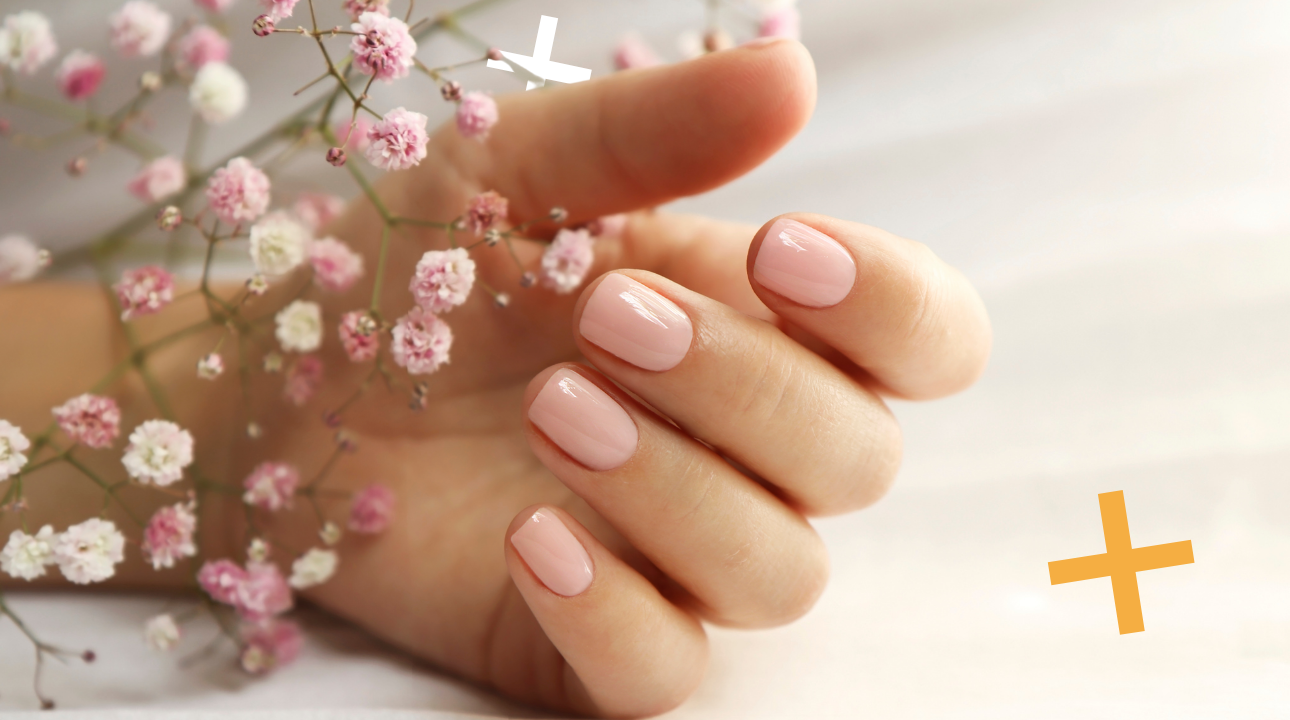
Understanding proper nail care is essential for maintaining healthy, strong nails that look their best. Whether you're interested in achieving salon-quality results at home or simply want to improve your overall nail health, developing a consistent nail care routine can make a remarkable difference to the appearance and strength of your nails.
Understanding Your Nails and Their Health
Your nails are made of keratin, the same protein found in your hair and skin. Healthy nails appear smooth, consistent in colour, and free from spots or discolouration. When you understand the basic structure of your nails, including the nail plate, nail bed, and cuticles, you can better appreciate why proper nail care matters so much for maintaining their strength and appearance.
The condition of your nails often reflects your overall health. Brittle nails, for instance, might indicate nutritional deficiencies or excessive exposure to harsh chemicals. Meanwhile, ridges in your nails can develop naturally with age, though they sometimes signal underlying health concerns that deserve attention from a medical professional.
Establishing Your Daily Nail Care Routine
Creating an effective daily nail care routine doesn't require expensive products or complicated techniques. The foundation of good nail health begins with keeping your nails clean and dry, which prevents bacteria and fungi from growing beneath your nail plate. When you wash your hands, gently clean under your nails with a soft brush, then dry them thoroughly, paying special attention to the areas around your cuticles.
Moisturising your nails and cuticles regularly is one of the most important aspects of nail care. Just as your skin needs hydration, your nails benefit immensely from regular moisturising. Apply hand cream several times throughout the day, making sure to massage it into your cuticles and the skin around your nails. For intensive treatment, consider applying cuticle oil before bed, allowing it to absorb overnight whilst you sleep.
The Proper Way to Trim and Shape Your Nails
When it comes to trimming your nails, technique matters enormously. Always use sharp, clean nail clippers or manicure scissors, and cut straight across rather than rounding the corners excessively. This approach helps prevent ingrown nails, particularly on your toes. After clipping, smooth the edges with a fine nail file, working in one direction rather than sawing back and forth, which can weaken your nails and cause splitting.
The shape you choose for your nails should complement your finger shape and lifestyle. Shorter nails with rounded edges suit active lifestyles and prove easier to maintain, whilst longer nails with squared or almond shapes create an elegant appearance for special occasions. Whatever shape you prefer, maintaining consistent length across all your nails creates a polished, well-groomed look.
Cuticle Care: The Secret to Professional-Looking Nails
Your cuticles serve as a protective barrier against infection, so treating them gently is crucial for nail health. Rather than cutting your cuticles, which can lead to infection and damage, gently push them back after soaking your hands in warm water. A wooden or rubber cuticle pusher works perfectly for this task, as these materials are gentle enough to avoid causing tears or damage to the delicate skin.

When your cuticles feel dry or ragged, resist the temptation to pick at them. Instead, apply cuticle remover gel or cream, which softens the dead skin and makes it easier to gently push back. Following up with cuticle oil keeps the area supple and prevents hangnails from forming, which can be both painful and unsightly.
Protecting Your Nails from Damage
Prevention is always better than cure when it comes to nail care. Wearing gloves whilst doing household chores, particularly when using cleaning products or washing dishes, protects your nails from harsh chemicals and excessive water exposure. These substances can weaken your nails, causing them to become brittle and prone to breaking.
If you frequently use nail polish, giving your nails occasional breaks helps maintain their health. Whilst nail varnish itself isn't necessarily harmful, constant wear can lead to yellowing and weakening of the nail plate. When you do paint your nails, always start with a base coat to protect against staining, and use an acetone-free nail polish remover when it's time for a change, as acetone can be extremely drying.
Nutrition and Nail Health
Beautiful nails start from within, and your diet plays a significant role in nail health. Biotin, a B vitamin found in eggs, nuts, and whole grains, supports nail strength and growth. Meanwhile, protein from sources like lean meat, fish, and legumes provides the building blocks your body needs to produce keratin. Iron deficiency can lead to brittle nails and vertical ridges, so including iron-rich foods such as spinach, red meat, and fortified cereals in your diet supports optimal nail health.
Staying properly hydrated benefits your nails just as much as it does your skin. Drinking adequate water throughout the day helps maintain moisture levels in your nails, preventing them from becoming dry and brittle. Omega-3 fatty acids from sources like salmon, walnuts, and flaxseed also contribute to nail health by reducing inflammation and supporting cell membrane health.
Dealing with Common Nail Problems
Even with excellent nail care, problems can occasionally arise. Nail splitting and peeling often result from excessive water exposure or the use of harsh chemicals. Strengthening treatments containing ingredients like keratin or calcium can help rebuild damaged nails, whilst consistently moisturising prevents further deterioration.
White spots on your nails, contrary to popular belief, don't usually indicate calcium deficiency. They're typically caused by minor trauma to the nail matrix, where nail growth occurs. These spots grow out naturally as your nail lengthens, so patience is the best remedy. If you notice persistent discolouration, thickening, or changes in nail shape, consulting a healthcare professional ensures you receive appropriate treatment for any underlying conditions.
Professional Manicures and Nail Treatments
Whilst home nail care forms the foundation of healthy nails, professional manicures offer additional benefits. A skilled nail technician can spot potential problems early, provide expert shaping and cuticle care, and apply treatments that strengthen and nourish your nails. When choosing a nail salon, look for establishments that maintain high hygiene standards, properly sterilise their tools, and display current licences.
If you enjoy gel or acrylic nails, allowing recovery periods between applications helps prevent long-term damage. These enhancements can weaken your natural nails if worn continuously, so consider taking breaks or alternating with regular polish to give your nails time to recover and strengthen.
The Finishing Touch: Polish Application Tips
Applying nail polish properly extends its wear time and creates a more professional appearance. Start with clean, dry nails, using a lint-free wipe soaked in nail polish remover to eliminate any oils. A quality base coat protects your nails from staining and provides a smooth surface for colour application. When applying coloured polish, use thin coats rather than one thick layer, allowing each coat to dry before applying the next. Two thin coats of colour followed by a top coat typically provide the best results.

Quick-dry top coats can be tempting, but traditional top coats often provide better chip resistance and shine. Reapplying top coat every few days extends the life of your manicure and keeps your nails looking freshly polished.
Creating Your Personalised Nail Care Routine
Everyone's nails are different, so your ideal nail care routine should reflect your individual needs and lifestyle. If you have naturally weak nails, you might benefit from weekly strengthening treatments and daily cuticle oil application. Those with strong nails might maintain their health with basic trimming, filing, and regular moisturising. Pay attention to how your nails respond to different products and techniques, adjusting your routine accordingly.
Remember that improving nail health takes time. Nails grow slowly, typically about 3 millimetres per month, so you'll need to maintain your routine for several weeks before seeing significant improvements. Patience and consistency are your best tools for achieving the healthy, beautiful nails you desire.
By incorporating these nail care practices into your regular routine, you'll not only improve the appearance of your nails but also support their overall health and strength. Whether you prefer natural nails or enjoy experimenting with different polish colours and nail art, a solid foundation of proper nail care ensures your nails always look their very best.

