





More than 60 percent of homeowners say their living spaces feel uninspired or cluttered, leaving them craving comfort and individuality. As trends shift away from stark minimalism, people are searching for stylish ways to design homes that feel both cozy and sophisticated. Discover simple, creative ideas to turn any room into a welcoming retreat that truly reflects your personality and supports your wellbeing.
Table of Contents
- 1. Embracing Cozy Minimalism for Modern Comfort
- 2. Bringing Nature Indoors with Greenery and Natural Materials
- 3. Layering Textiles for Warmth and Texture
- 4. Mixing Vintage Finds with Contemporary Pieces
- 5. Choosing Statement Lighting for Every Room
- 6. Adding Bold Colours in Accent Details
- 7. Sustainable and Upcycled Decor Solutions
Quick Summary
| Takeaway | Explanation |
|---|---|
| 1. Embrace cozy minimalism for comfort | Cozy minimalism balances simplicity with warmth, making spaces feel inviting and nurturing. |
| 2. Bring nature indoors with plants | Incorporating indoor plants improves air quality and creates a calming atmosphere in your home. |
| 3. Layer textiles for added warmth | Use various textiles like rugs and cushions to enhance comfort and create visual interest in your space. |
| 4. Mix vintage and modern decor thoughtfully | Combining vintage with contemporary pieces creates unique, personalized interiors that tell a story. |
| 5. Use statement lighting for style | Choose impactful lighting designs to enhance ambiance and reflect your personal style throughout your home. |
1. Embracing Cozy Minimalism for Modern Comfort
Cozy minimalism represents a thoughtful approach to interior design that transforms sparse spaces into warm sanctuaries of comfort. Unlike traditional stark minimalism, this contemporary style balances simplicity with sensory richness and functional elegance.
According to the National Design Academy, modern minimalism has shifted from extreme austerity to a more nuanced philosophy that prioritizes personal comfort and intentional design. This approach recognises that a clutter free environment can still feel inviting and nurturing.
To implement cozy minimalism in your home, focus on three key principles. First, select a neutral colour palette with soft warm tones like cream, light grey, and gentle beige. These colours create a serene backdrop that feels both clean and welcoming. Second, incorporate natural materials that add texture and warmth such as wool throws, wooden furniture, and linen cushions.
The International Journal of Education and Science Research Review emphasises the importance of tactile elements in minimalist spaces. By integrating soft textiles and natural surfaces, you transform a potentially clinical space into a sensory haven.
Finally, practice intentional decoration by choosing meaningful pieces that serve both aesthetic and functional purposes. This might mean selecting a beautiful ceramic vase that also holds fresh flowers or a sleek wooden shelf that displays cherished books. Quality always trumps quantity in cozy minimalist design.
Whether you live in a compact city flat or a spacious suburban home, cozy minimalism offers a refreshing approach to creating spaces that feel simultaneously calm, elegant, and deeply comfortable.
2. Bringing Nature Indoors with Greenery and Natural Materials
Infusing your living space with natural elements transforms ordinary rooms into vibrant sanctuaries of life and tranquility. This trend goes beyond mere decoration it is about creating environments that nurture wellbeing and connect us with the natural world.
University of York research reveals that indoor plants do much more than look beautiful. They actively improve air quality, help regulate indoor temperatures, and control humidity levels. By strategically placing greenery throughout your home, you are not just styling your space but also enhancing your personal environment.
To successfully bring nature indoors, consider a multilayered approach. Start with foundational green elements like sturdy indoor plants that thrive in British homes:
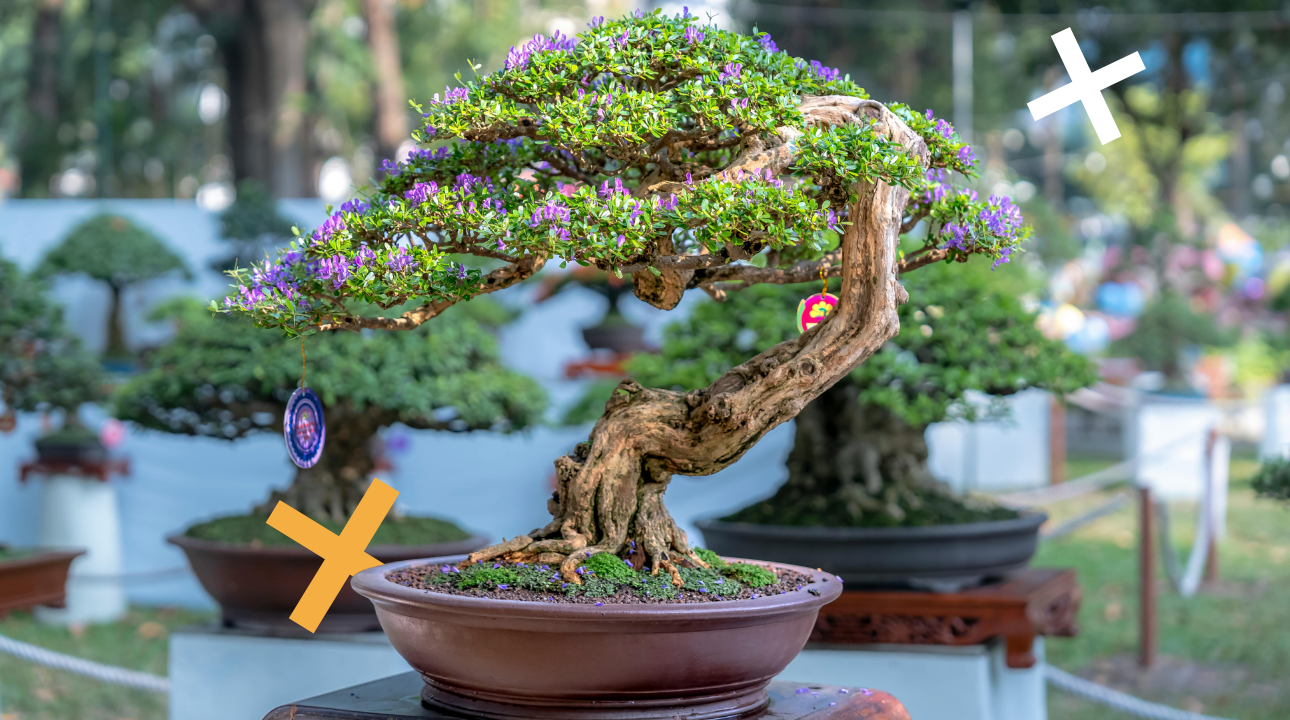
- Bonsai trees for inner peace
- Snake plants for low maintenance air purification
- Monstera for dramatic leaf structures
- Pothos for trailing green elegance
- Fiddle leaf figs for statement greenery
Beyond plants, the National Design Academy recommends incorporating natural materials to amplify the organic feel. Think wooden furniture with visible grain patterns, stone coasters, wool throws, and linen curtains. These textures create a sensory experience that feels both sophisticated and grounded.
Consider creating small green zones in different rooms. A trailing plant near a window, a compact herb garden in the kitchen, or a statement floor plant in your living room can dramatically transform the atmosphere. Mix plant sizes and types to create visual interest and depth.
Remember that bringing nature indoors is not just about aesthetics it is about creating a living environment that supports your mental and physical wellbeing. Each plant and natural material tells a story and adds character to your home.
3. Layering Textiles for Warmth and Texture
Textile layering transforms ordinary rooms into inviting sanctuaries of comfort and visual depth. This design technique goes beyond simple decoration it creates sensory experiences that make your living spaces feel truly lived in and personal.
According to the National Design Academy, natural textiles play a crucial role in home styling. Wool rugs, linen throw pillows, and tactile fabrics are not just decorative elements but essential components of creating a warm and welcoming environment.
To master textile layering, start with a neutral base colour palette. This allows your textural elements to shine and provides flexibility for future design changes. Key layering strategies include:
- Start with a high quality area rug as your foundational piece
- Add throw blankets in complementary textures
- Mix cushions of different sizes and fabric weights
- Incorporate lightweight curtains for soft light filtering
The International Journal of Education and Science Research Review emphasises that tactile elements significantly enhance sensory experiences in living spaces. By carefully selecting fabrics with varying textures like chunky knits, smooth linens, and soft velvet, you create visual interest and depth.
Consider the practical benefits too. Layered textiles provide insulation, absorb sound, and make rooms feel more intimate. A wool throw on a leather sofa or linen cushions on a cotton armchair can dramatically transform the feel of your space without major renovation.
Remember that textile layering is an art of balance. Too many competing textures can feel chaotic, while too few can seem flat. Trust your instincts and choose pieces that genuinely speak to your personal style and comfort.
4. Mixing Vintage Finds with Contemporary Pieces
Mixing vintage and contemporary pieces is an art form that transforms your living space from ordinary to extraordinary. This design approach celebrates individual style by creating spaces that tell a rich story through carefully curated furniture and decor.
According to the National Design Academy, contemporary interior design is moving away from meticulously matched furniture towards a more dynamic and personal aesthetic. Embracing design diversity allows you to create spaces that feel uniquely yours.
Practical strategies for successful vintage contemporary mixing include:
- Select a consistent colour palette across pieces
- Balance proportions between vintage and modern items
- Use contemporary pieces as anchors for vintage accents
- Focus on quality and individual piece character
The International Journal of Education and Science Research Review emphasises that incorporating vintage finds adds authenticity and depth to home interiors. A mid century modern armchair paired with a sleek contemporary coffee table can create visual tension and intrigue.
Start your vintage contemporary journey by hunting local antique shops, vintage markets, and online marketplaces. Look for pieces with interesting shapes, unique textures, or historical significance. A weathered leather trunk can become a stunning coffee table when placed beside a minimalist sofa.
Remember that successful mixing is about creating dialogue between different design eras. Each piece should complement rather than compete, telling a collective story of your personal aesthetic journey.
5. Choosing Statement Lighting for Every Room
Statement lighting transforms rooms from functional spaces into captivating environments that reflect your personal style and create memorable atmospheres. Far more than just illumination, lighting serves as both an artistic expression and a practical design element.
The National Design Academy emphasises that modern interior design considers lighting as a crucial component of aesthetic appeal and functionality. Thoughtful lighting design can dramatically alter how a space feels and functions.
Strategic lighting approaches for different rooms include:
- Living room: Layered lighting with floor lamps and pendant lights
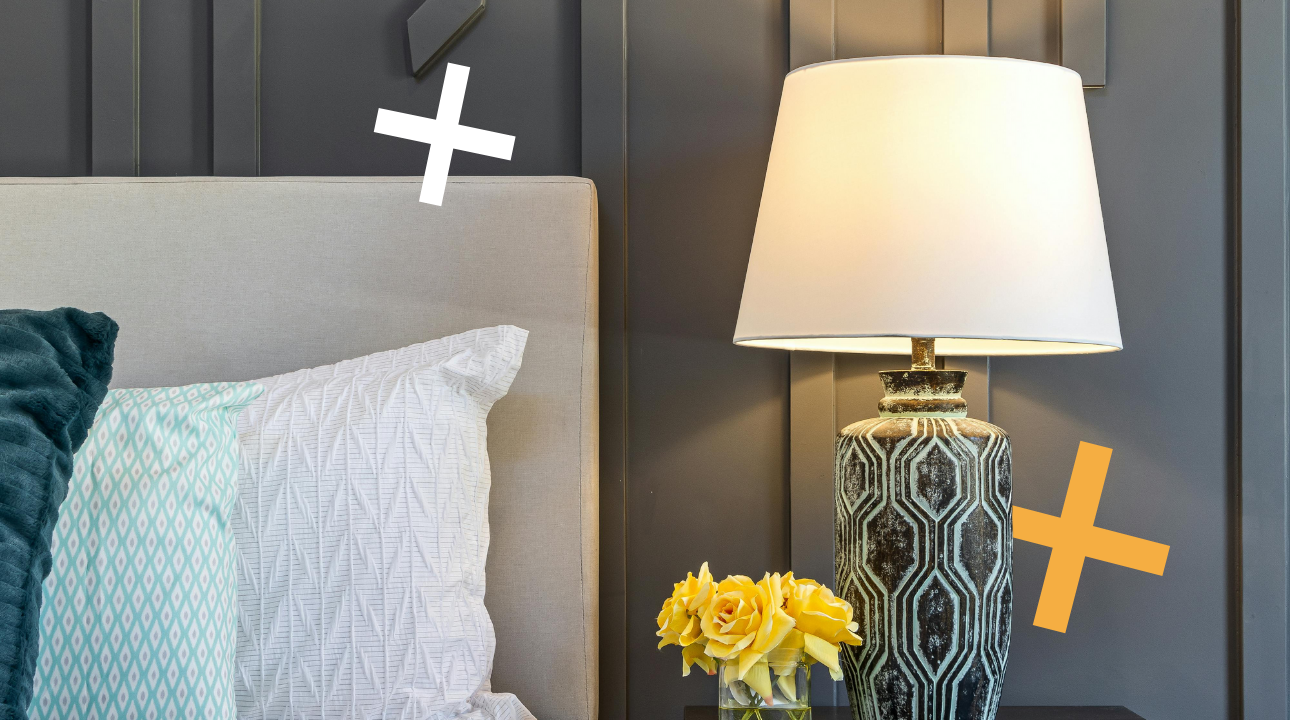
- Bedroom: Soft ambient lighting with bedside table lamps
- Kitchen: Bright task lighting and decorative hanging fixtures
- Home office: Adjustable desk lamps with directional capabilities
According to the International Journal of Education and Science Research Review, lighting profoundly influences a room’s mood and ambiance. A sculptural floor lamp can become a conversation piece in your living room, while delicate pendant lights can transform a dining area into an intimate setting.
When selecting statement lighting, consider scale proportion and material consistency. A large brass chandelier might overwhelm a small room, while a tiny pendant could look lost in a spacious kitchen. Balance is key.
Remember that statement lighting is an opportunity to express your personality. Whether you prefer minimalist designs or ornate vintage pieces, your lighting choices can communicate your unique aesthetic story.
6. Adding Bold Colours in Accent Details
Bold colour accents are the secret weapon of interior design transforming ordinary spaces into extraordinary expressions of personality. These strategic splashes of vibrant hues can breathe life into rooms without overwhelming the entire design scheme.
The Green Plants for Green Buildings report highlights innovative approaches to incorporating bold colours through nature inspired patterns and textures. Colour is more than visual it is an emotional experience that can dramatically shift a room’s atmosphere.
Strategic ways to introduce bold colour accents include:
- Paint a single accent wall in a deep emerald or rich terracotta
- Select statement cushions in vibrant jewel tones
- Add colourful artwork or ceramic pieces
- Choose bold area rugs with striking geometric patterns
The International Journal of Education and Science Research Review emphasises that bold colours create dynamic interiors that reflect personal style. A mustard yellow throw blanket or electric blue ceramic vase can instantly elevate a neutral space.
When introducing bold colours, consider your existing colour palette. Complementary colours create harmony while contrasting shades generate visual excitement. Start small experiment with accessories before committing to larger investments.
Remember that confidence is key. Bold colours are an opportunity to tell your unique design story one vibrant detail at a time.
7. Sustainable and Upcycled Decor Solutions
Sustainable decor is more than a trend it is a conscious approach to creating beautiful living spaces that respect our planet. Upcycling transforms ordinary objects into extraordinary design elements while reducing waste and celebrating creativity.
The National Design Academy highlights the importance of using sustainable materials like reclaimed wood and organic textiles. Eco friendly design is about making intentional choices that look good and feel right.
Creative upcycling ideas for your home include:
- Convert vintage suitcases into unique coffee tables
- Transform wooden pallets into stylish shelving units
- Repurpose glass jars as decorative storage containers
- Use old ladders as rustic towel racks or plant stands
The International Journal of Education and Science Research Review emphasises that upcycled decor adds unique character to home interiors. A restored antique chair or a lamp crafted from industrial materials can become a stunning focal point.
Sustainable Shopping at Savvy+ demonstrates how small choices can make a big impact. By choosing upcycled pieces or giving new life to existing items, you reduce waste and create a home that tells a meaningful story.
Remember that sustainable decor is not about perfection but about making mindful choices that reflect your values and aesthetic sensibility.
Below is a comprehensive table summarising the key concepts and strategies discussed throughout the article on interior design trends.
| Design Concept | Description | Key Strategies |
|---|---|---|
| Cozy Minimalism | A design style balancing simplicity with comfort. | Use neutral palettes, incorporate natural materials, choose intentional decor. |
| Bringing Nature Indoors | Infusing spaces with natural elements for wellbeing. | Use houseplants, incorporate natural textures, create green zones. |
| Layering Textiles | Adding warmth and texture through fabric layering. | Start with a neutral base, mix textures, include various fabric types. |
| Mixing Vintage with Contemporary | Combining different eras for a rich design narrative. | Focus on a consistent palette, balance proportions, select quality pieces. |
| Statement Lighting | Using lighting as an artistic and functional element. | Implement layered lighting, choose room-appropriate fixtures, mind scale and proportion. |
| Adding Bold Colours | Introducing vibrant hues for dynamic spaces. | Use accent walls, choose bold accessories, consider complementary shades. |
| Sustainable and Upcycled Decor | Eco-conscious design using reclaimed materials. | Upcycle objects, use sustainable materials, make mindful decor choices. |
Transform Your Home with Savvy Plus Inspired by UK Trends
Are you inspired by the latest UK home trends and looking to bring cozy minimalism, natural textures, or bold colours into your living space? Many homeowners struggle with balancing style and comfort while wanting to create a personalised sanctuary that reflects their unique taste. The article highlighted key ideas like layering textiles for warmth, mixing vintage with contemporary pieces, and adding statement lighting to transform any room effortlessly.
Discover how Savvy Plus can help you achieve these looks with a carefully curated selection of furniture, home textiles, lamps, and decorative accessories. Create inviting rooms that feel warm and stylish by adding soft throws, natural wooden pieces, or vibrant accent cushions to your space.
Ready to update your home with trend-driven pieces that offer both quality and character? Shop now at Savvy Plus and explore a world of affordable home decor designed to elevate your lifestyle. Visit our home decor collection and start transforming your living space today before our seasonal deals end.
Frequently Asked Questions
How can I implement cozy minimalism in my home?
To implement cozy minimalism, start by choosing a neutral color palette with warm tones like beige or light grey. Incorporate natural materials like wool throws and wooden furniture to add texture, and select meaningful decorative pieces that serve both aesthetic and functional purposes.
What are some effective ways to bring nature indoors?
You can bring nature indoors by adding sturdy indoor plants such as snake plants or monstera. Create small green zones with a mix of plant sizes and types in different rooms to enhance your space’s atmosphere.
What are key strategies for layer textiles effectively?
To layer textiles effectively, begin with a neutral base color and select a high-quality area rug as your foundation. Incorporate throw blankets and cushions of varying sizes and textures to create visual depth and warmth in your living space.
How do I mix vintage and contemporary decor styles?
Mix vintage and contemporary pieces by maintaining a consistent color palette across items and balancing their proportions. Use modern pieces as anchors for vintage accents, allowing each to complement rather than compete with one another.
What should I consider when choosing statement lighting?
When choosing statement lighting, consider the scale of the fixture to match the size of the room. Ensure the materials and style of the lighting resonate with your overall decor theme to create an inviting atmosphere.
How can I creatively incorporate bold colors into my home decor?
Incorporate bold colors by painting an accent wall or using vibrant cushions and artwork. Start with small accessories to test how they enhance your existing color scheme before making larger investments.

