

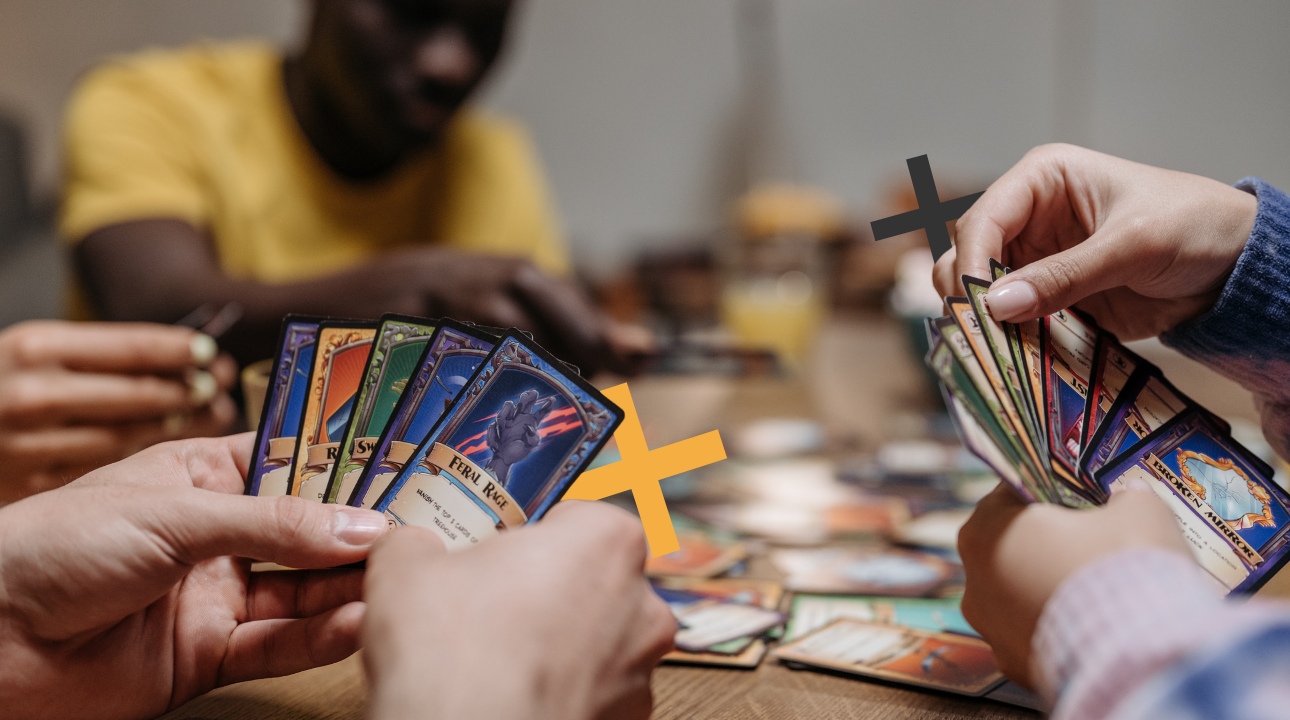




There's something magical about gathering around a table with friends, rolling dice, moving pieces, and laughing until your sides hurt. In an age where most social interaction happens through screens, board game nights offer something increasingly rare: genuine, face-to-face connection with the people you actually enjoy spending time with.
But here's the thing - we've all been to mediocre game nights. The ones where nobody can agree on what to play, the snacks run out halfway through, or someone's competitive streak kills the vibe entirely. As someone who's been hosting weekly game nights for over a decade and has built a collection of more than 200 games, I've learned that the difference between a forgettable evening and one people talk about for weeks comes down to thoughtful preparation and understanding what makes gaming social, not just competitive.
Whether you're hosting your first game night or your fiftieth, this guide will help you create an evening that guests actually want to come back to.

Why Board Games Are Having Their Moment
The board game industry has exploded over the past decade. Global sales reached over £12 billion in 2024, with the UK market growing by 18% year-on-year according to industry analysts. But this isn't just about sales figures - it's about what board games offer that digital entertainment can't replicate.
Research from the University of Oxford found that people who regularly engage in face-to-face gaming report 32% higher life satisfaction and significantly stronger social connections than those who don't. Board games create what psychologists call "shared experiences" - moments of genuine interaction that build relationships in ways that passive entertainment simply doesn't.
They're also brilliantly inclusive. Unlike video games that require specific skills or reflexes, modern board games cater to every interest, ability level, and playing style. Whether your group loves strategy, storytelling, deduction, or just rolling dice and having a laugh, there's something for everyone.
Setting the Date: Timing Matters More Than You Think
Before you do anything else, you need to pick the right date and communicate it properly. Friday evenings work well because nobody has work the next day, but they can be tricky if people are exhausted from the week. Saturday evenings are ideal for longer, more involved games. Sunday afternoons work beautifully for families or more casual groups who want to wrap up early.
Send invitations at least two weeks in advance. Yes, for a casual game night at your house. People have busy lives, and if you want committed attendees rather than last-minute dropouts, give them time to actually plan around it.
Be specific about timing. "Saturday evening" means different things to different people. "Saturday 7pm, games starting at 7:30pm sharp" sets clear expectations. That extra thirty minutes gives latecomers a buffer whilst early arrivals can settle in without feeling awkward.
The Guest List: Size and Dynamics
Your ideal number depends on the games you want to play, but 4-6 people is the sweet spot for most evenings. It's enough for variety and energy but small enough that everyone stays engaged throughout.
Think carefully about group dynamics. Mixing one ultra-competitive player with five casual gamers creates tension. Having one person who's never played modern board games alongside five experienced enthusiasts can feel intimidating for the newcomer. This doesn't mean you can't mix experience levels - just be thoughtful about game selection and perhaps pair up inexperienced players with patient veterans.
If you're inviting couples, consider whether they play well together or turn every game into a marital spat. Some couples are delightful gaming partners; others should probably be on separate teams for everyone's sake.
Preparing Your Space: The Foundation of Success
Your playing area matters enormously. You need a table large enough that people aren't cramped but not so large that you're shouting across it. A standard dining table works perfectly for 4-6 players. If you're using a coffee table, make sure people can sit comfortably around it for potentially several hours - uncomfortable seating ends game nights early.
Lighting is crucial and often overlooked. Overhead lights work fine, but add lamps if parts of the table fall into shadow. Players need to read cards, see small print on boards, and make eye contact with each other. Dim, atmospheric lighting might look nice but makes gaming frustrating.
Clear the table completely before guests arrive. Nothing says "I didn't really prepare" like having to move piles of post and last week's newspapers before you can start playing.
Have enough chairs for everyone, plus one spare. Someone will inevitably want to sit out a round or pop in from another room. Musical chairs between games kills momentum.

The Game Selection: Your Curated Library
This is where most hosts either nail it or completely miss the mark. Your game selection should cater to your specific group, not just showcase your personal favourites.
For groups new to modern board gaming, start with gateway games. These are designed to be accessible whilst still offering meaningful choices and engagement. Ticket to Ride, Carcassonne, Splendor, or Azul are all excellent options that teach quickly and play smoothly.
If your group has some gaming experience, you can venture into medium-weight games. Wingspan, 7 Wonders, Dominion, or Betrayal at House on the Hill offer more depth whilst remaining approachable. These games typically take 60-90 minutes once everyone knows the rules.
For experienced gaming groups, break out the heavy strategy games. Terraforming Mars, Brass: Birmingham, or Scythe will keep serious gamers engaged for 2-3 hours. But never, ever spring a complex game on an unsuspecting group. Nothing ends friendships faster than forcing someone through a three-hour economic simulation they never wanted to play.
Build your collection thoughtfully by exploring our board games range. Look for variety in mechanics, themes, and play styles. You want games that accommodate different player counts, different time commitments, and different moods.
The Magic of Theme: When Gaming Meets Fandom
Themed game nights take things to another level entirely. If your group shares a passion for particular franchises, lean into it.
For Harry Potter fans, there's a wealth of options in our Harry Potter collection. From Hogwarts Battle to Clue: Harry Potter Edition, these games let you live in the wizarding world whilst enjoying solid gameplay. Pair them with themed snacks - Bertie Bott's Every Flavour Beans, Chocolate Frogs, or butterbeer - and you've created an immersive experience.
Star Wars enthusiasts will love games from our Star Wars range. X-Wing Miniatures, Star Wars: Rebellion, or even Star Wars Monopoly (yes, themed Monopoly can actually be fun with the right group) transform movie watching into interactive storytelling.
If you've got Disney fans, explore our Disney collection for games that appeal to families and adults alike. Disney Villainous is genuinely strategic whilst letting players embody their favourite antagonists.
The Lego games work brilliantly for mixed-age groups or anyone who loves building whilst they play. Many incorporate actual Lego building into gameplay, creating a hands-on experience that pure card and board games don't offer.
For gaming enthusiasts who also love video games, Minecraft-themed board games from our Minecraft collection bridge digital and physical play beautifully.
Pokemon fans of all ages will appreciate options from our Pokemon range, whilst Jurassic Park collections from our Jurassic Park selection offer theme-rich gaming for dino enthusiasts.
The Rule Explanation: Making or Breaking the Evening
How you teach games determines whether people enjoy them or spend the entire time confused and frustrated. I've seen brilliant games fall flat because of poor rule explanations.
Learn the game thoroughly before game night. Play a practice round solo or watch a rules video. You cannot teach effectively if you're learning as you go.
When explaining, give the big picture first. "We're building railways across America, trying to connect cities for points" tells players what they're doing. Then explain how. "On your turn, you either draw cards or claim a route using matching cards." Only then dive into specifics and edge cases.
Use the actual game components whilst teaching. Show them the cards, demonstrate a turn, physically move pieces. People learn through doing, not just listening.
Set expectations about game length. "This takes about 45 minutes once we're playing" helps people mentally prepare. Nothing's worse than thinking you're in for a quick game and finding yourself two hours deep with no end in sight.
The Snack Strategy: Fuelling the Fun
Food at game nights serves two purposes: keeping people fed and keeping them at the table. You need snacks that won't grease up game components or require constant plate refilling.
Finger foods are your friends. Crisps, pretzels, veggie sticks with dip, cheese and crackers, mini sausage rolls, or cocktail sausages all work beautifully. Put them in bowls around the table so people can grab them between turns.
Browse our sweets collection for options that won't melt onto game boards. Individually wrapped chocolates work better than chocolate bars that require breaking off pieces with potentially sticky fingers.
Always provide napkins - lots of them. Put them everywhere. People will use them.
For drinks, avoid anything that could catastrophically damage games if spilled. Water bottles with secure lids are safer than open glasses of red wine next to your £80 special edition game. If you're serving alcohol, keep it moderate. Nobody makes good strategic decisions when they're drunk, and drunk players aren't fun for sober ones.
Consider dietary requirements when planning snacks. Have vegetarian, vegan, and gluten-free options available. It's basic courtesy and ensures everyone can actually eat what you've provided.

Managing Game Flow: The Art of Pacing
Start with a shorter, lighter game to warm up. This gets everyone comfortable and engaged without requiring intense concentration right out of the gate. Twenty to thirty minutes is perfect for a starter game.
Between games, take proper breaks. Let people stretch, use the bathroom, refresh drinks, and chat. Don't rush straight from one game to the next. The social aspect is half the point.
Read the room. If energy is flagging, don't start a heavy three-hour game. Shift to something lighter or call it an evening. Better to end on a high note than force people through a game nobody's enjoying.
Have backup games ready. Your planned main event might flop, someone might not enjoy it, or you might finish earlier than expected. Being able to pivot seamlessly shows experience.
The Competitive Balance: Keeping It Fun
Every gaming group has at least one ultra-competitive player. They're not wrong for wanting to win - competition is literally the point - but when winning becomes more important than everyone having a good time, something's off.
Set the tone early. If you're hosting a casual, social evening, make that clear. "We're here to have fun and hang out, not run a tournament" helps competitive players calibrate their energy.
Choose games that mitigate runaway leaders. Games where one player gets so far ahead that the last hour is just going through motions feel pointless for everyone else. Look for games with catch-up mechanics or where positions can shift dramatically in final rounds.
Team games can ease competitive tension. When it's teams versus each other rather than individuals, the atmosphere often stays friendlier. Plus, team games encourage collaboration and discussion, which are socially engaging in ways solo play isn't.
Building Your Collection: Investment and Curation
Board games are an investment, but they're remarkably cost-effective entertainment when you break down the math. A £40 game that you play 20 times with 6 people delivers about 30p per person per play. Compare that to cinema tickets or restaurant meals.
Start with versatile games that work for different group sizes and experience levels. Games that play well with 2-6 players give you flexibility. Games with scalable complexity let you adjust based on who's playing.
Explore different mechanics and themes. If you only own worker placement games, you'll bore people who prefer social deduction or dice rolling. Variety keeps your collection fresh and appealing to different tastes.
Our games and collectables section offers something for every type of player. From quick party games to epic strategy marathons, building a well-rounded collection ensures you're prepared for any group.
Don't sleep on classic games either. Sometimes a simple game of Uno or a quick round of something familiar is exactly what the evening needs.
The Collectables Connection: When Gaming Meets Passion
For serious gamers, the physical objects matter. Limited edition sets, painted miniatures, custom dice, metal coins instead of cardboard tokens - these elevate the experience from playing a game to participating in something special.
Funko Pop figures of favourite game characters make excellent shelf decoration between game nights and spark conversation amongst fellow fans.
Youtooz collectables offer gaming-related figures that showcase your interests and create a gaming-friendly atmosphere in your space.
These items aren't just decoration - they signal to guests that gaming is valued in your home, creating an environment where people feel comfortable diving deep into play.
Beyond Board Games: Creating a Gaming Ecosystem
A truly epic game night might include more than just board games. Have books about game design or gaming culture available for pre-game browsing. They're great conversation starters for early arrivals.
Set up background music through quality audio equipment. Keep it low enough for conversation but present enough to fill awkward silences. Instrumental music works better than anything with lyrics that might distract during crucial strategic moments.
Consider lighting options with tech accessories that let you adjust ambiance based on the game. Horror games feel more immersive with dimmer lighting; party games work better bright and energetic.
If you're really committed, create a dedicated gaming space with shelves to display your collection. Seeing games organised and accessible makes selection easier and shows guests you take gaming seriously.
The Post-Game Wind-Down: Ending on a High Note
Don't rush people out the door the second the final game ends. Build in time for people to decompress, chat about the evening, and potentially plan the next one.
This is when you might break out quieter activities. If your group enjoys other hobbies, having puzzles available gives people something to do whilst chatting, or arts and crafts supplies if your group leans creative.
Some groups love debriefing games - what went well, what strategies worked, what they'd try differently next time. Others prefer to move on to general conversation. Read your room.

Gift-Giving for Gamers: Building Community
If you're attending someone else's game night rather than hosting, showing up with a small gift is lovely. Explore gifts for gamers to find items that show you understand their interests.
A new game that fits their collection, premium card sleeves for a favourite game, or themed accessories all work beautifully. The gesture matters more than the price tag.
Making It Regular: The Power of Consistency
One-off game nights are fun. Regular game nights build community.
Consider setting a standing date - first Saturday of every month, every other Thursday, whatever works for your group. When people can plan around it long-term, attendance improves and anticipation builds.
Rotate hosts if possible. It distributes the work, showcases different game collections, and keeps things fresh. Each host brings their own energy and style to the evening.
Create a group chat or shared calendar to coordinate dates, track who's bringing what, and maintain momentum between sessions. The social connection shouldn't only exist on game night itself.
The Ultimate Goal: Connection Through Play
Here's what matters most about game nights, and what many people miss: the games are just a vehicle for connection. Yes, you're moving meeples and rolling dice and trying to outsmart each other, but fundamentally, you're creating shared experiences and strengthening relationships.
The best game nights are the ones where you laugh so hard you can't breathe, where someone pulls off an incredible comeback, where inside jokes are born and friendships deepen. The games facilitate this, but they're not the point - the people are.
When you host with generosity, prepare thoughtfully, and prioritise everyone's enjoyment over any individual's victory, you create something special. You create a space where people can be playful, competitive, collaborative, and fully present with each other. In our distracted, digital world, that's genuinely valuable.
This weekend, gather your people, choose your games, and create an evening that reminds everyone why face-to-face connection matters. The dice are waiting.
Ready to build your ultimate game night collection? Explore our complete hobbies and leisure range and discover everything you need to host unforgettable evenings, all with rewards on every purchase. Because great memories shouldn't cost a fortune - they should just require good company and better games.